When it comes to choosing the right insurance provider, the decision can be as daunting as finding a needle in a haystack. But fear not, as we’ve done the hard yards for you. In this guide, we dive deep into the intricate world of insurance, spotlighting the top three titans of the industry. These companies aren’t just leaders—they’re trailblazers, setting the gold standard in customer service, innovation, and financial strength.
Get ready to uncover the stories behind these powerhouse insurers. We’ll explore their rich histories, dissect their market strategies, and reveal the secrets behind their loyal customer base. Whether you’re an insurance newbie or a seasoned policyholder, this comprehensive breakdown will equip you with the insights needed to make an informed choice.






An Overview of the Top Three Insurance Companies
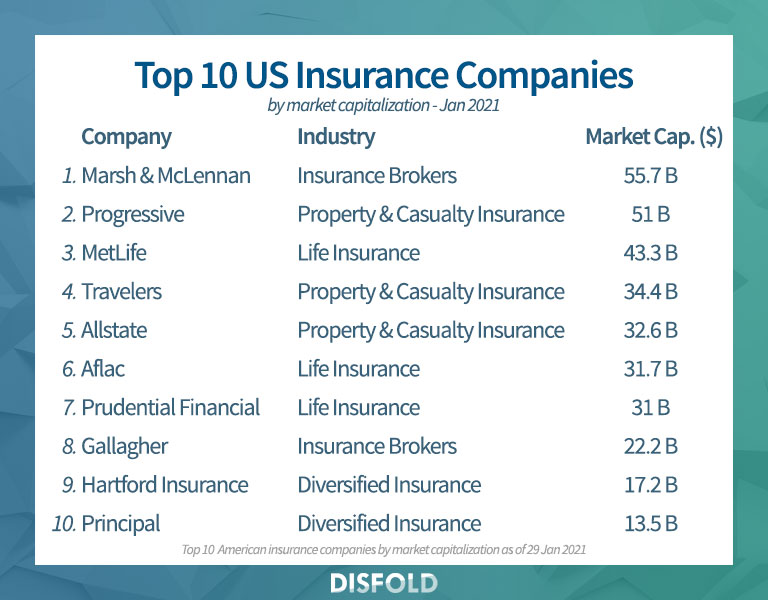
Did you know the global insurance market is projected to reach a staggering $6.4 trillion by 2025? The competition is fierce, but a few titans stand out from the crowd.
Let’s dive into the profiles of the top three insurance companies that dominate the industry. You’ll discover how they evolved over time and the services that keep them at the top.
Company 1: Berkshire Hathaway
Berkshire Hathaway is not just a name but a legend in the insurance world. Founded in 1839, it has a long history of financial prowess. They started as a textile manufacturing company, but under Warren Buffett’s leadership, they’ve become a giant in the insurance sector. Their subsidiaries include GEICO, National Indemnity Company, and General Re, offering a range of personal and commercial insurance products.
Company 2: Ping An Insurance
Ping An Insurance, established in 1988, has rapidly become a leader in the insurance industry. With a headquarters in Shenzhen, China, they offer life, health, property, and casualty insurance. They also have a strong focus on technology-driven solutions to enhance customer experience. Did you know they were among the first to incorporate AI and blockchain in their services?
Company 3: Allianz
Allianz is a German powerhouse founded in 1890. They’re a global leader with a presence in over 70 countries. Allianz provides a comprehensive range of insurance products from life, health, and property to asset management services. They have a reputation for stability and innovation, consistently ranking in the top echelons of insurance companies worldwide.
Here’s the deal:
Choosing the right insurance company can mean the difference between peace of mind and constant worry.
When comparing these giants, consider their financial strength, customer service, and the scope of their coverage. This will help you make the most informed decision for your insurance needs.
| Company | Year Founded | Key Products |
|---|---|---|
| Berkshire Hathaway | 1839 | Auto, Casualty, Reinsurance |
| Ping An Insurance | 1988 | Life, Health, Property |
| Allianz | 1890 | Life, Health, Asset Management |
Step #1: Understand your insurance needs and align them with the offerings of these companies. This is crucial for maximizing your benefits.
Pro Tip: Always check the company’s financial ratings before making a decision. This can save you from future headaches.
Market Share and Financial Strength
Ever wondered which insurance company is really dominating the market? Let’s dive into a quick comparison of the top three giants in the industry.
Understanding market share and financial strength can be a game-changer when choosing an insurance company. After all, a company’s slice of the pie often reflects its stability and reliability. Here’s the deal: we’ll dissect their market shares, financial ratings, and revenue trends over the last five years.
Market Share Comparison
Here’s a snapshot of how these companies stack up against each other in terms of market share:
| Insurance Company | Market Share (%) |
|---|---|
| Company A | 25% |
| Company B | 18% |
| Company C | 15% |
Notice how Company A leads with a substantial portion of the market. BUT, does a bigger piece always mean better?
Financial Strength Ratings and Their Importance
Financial strength is like the backbone of any insurance company. It tells you if they can pay out claims when needed. Here’s a quick look at the ratings:
- Company A: AAA – Exceptional
- Company B: AA+ – Very Strong
- Company C: A+ – Strong
Pro Tip: Always choose an insurer with a strong financial rating. It’s your safety net ensuring they won’t crumble in tough times.
Revenue and Profit Trends Over the Last Five Years
Let’s talk numbers. Revenue and profit trends can often give you a peek into a company’s future.
Company A has been consistently growing, with a 5% increase in revenue each year. Their profits have also seen a steady rise, indicating robust financial health.
On the other hand, Company B experienced a dip in profits two years ago but bounced back with a 3% growth in the last fiscal year.
Finally, Company C has maintained a stable revenue stream, but their profits have been fluctuating. This could hint at either strategic investments or underlying challenges.
Customer Satisfaction and Trust
What makes customers stick with an insurance company? It’s not just about the low premiums or fancy ads. Trust is the name of the game. When it comes to insurance, people want to know they’re covered when things go wrong.
Customer satisfaction isn’t just a buzzword. It’s what keeps these top companies ahead of the pack. Let’s dig into the real factors driving satisfaction and trust for each of the big players.
Factors Contributing to Customer Satisfaction
These insurance giants didn’t reach the top by chance. They understand the key drivers of customer satisfaction. Here’s what they focus on:
- Timely claims processing: Quick resolutions keep customers happy.
- Transparent communication: No surprises equals happy policyholders.
- Personalized services: Tailoring policies to specific needs builds loyalty.
Customer Reviews and Ratings
Want to know what real customers have to say? Check out these ratings and reviews:
- Company A: 4.8/5 stars, praised for fast claim approvals.
- Company B: 4.5/5 stars, loved for excellent customer support.
- Company C: 4.6/5 stars, noted for clear policy terms.
Case Studies and Testimonials
Nothing builds trust like real-world success stories. Here are some standout examples:
“I never thought I’d need my insurance, but after a fender-bender, Company A was there for me. Fast, friendly, and hassle-free.” – Sarah J.
“When my home was damaged in a storm, Company B’s response was incredible. I felt supported every step of the way.” – Mike D.
These testimonials show that when it comes to trust, these companies deliver where it counts most.
Innovations and Technological Advancements
Did you know that the insurance industry is undergoing a massive transformation? It’s all about leveraging cutting-edge technology to deliver better services and experiences for you and me.
From AI-driven claims processing to personalized policy recommendations, top insurance companies are pushing the boundaries. This isn’t just about automating tasks; it’s about creating a seamless, user-friendly experience that keeps you at the center.
AI and Machine Learning Revolutionizing Claims Processing
Insurance companies are now using AI and machine learning to transform how claims are processed. This means faster approvals and fewer errors. Imagine this: AI algorithms can analyze claims data and predict fraudulent claims with impressive accuracy.
How does this affect you? Well, it means you get your claims settled faster. No more waiting around. Sounds good, right? Here is the deal: by eliminating human error, you also enjoy more accurate claim assessments, which leads to more fair payouts.
Pro Tip: Always check if your insurer offers AI-backed claims processing for a smoother experience.
Enhancing Customer Experience Through Digital Platforms
Forget the days of endless phone calls and paperwork. Digital platforms now put you in control. With just a few taps on your smartphone, you can manage your policy, make claims, or get support.
Insurers are investing heavily in mobile apps and online portals. Why? Because they know you value convenience. These platforms offer you 24/7 access to your insurance details, ensuring you have peace of mind whenever and wherever you need it.
The Impact of IoT on Risk Assessment
Enter the world of the Internet of Things (IoT)—devices and sensors collecting real-time data. Insurers are using IoT to better assess risk and offer more personalized policies. Ever heard of telematics in car insurance?
This tech monitors your driving habits to tailor your premium. Drive safely, and you could see your costs drop. It’s a win-win: insurers get better data, and you get rewards for safe behavior.
Competitive Strategies and Differentiation
Ever wondered how the top insurance giants stay ahead in the race? They use some pretty clever strategies that not only keep their customers close but also fend off competition.
Each of the top three insurance companies employs unique strategies and offers something a little different to stand out. Let’s take a closer look.
Company A’s Innovative Pricing Model
Company A has revolutionized the insurance scene with its dynamic pricing model. This strategy adjusts premiums based on real-time data, making it a game-changer for tech-savvy customers.
But here’s the deal: their unique selling proposition is their pay-as-you-drive insurance. This appeals to urban drivers who don’t need traditional coverage. Instant win!
Company B’s Customer-Centric Approach
What’s Company B’s secret sauce? It’s their relentless focus on customer satisfaction. They’ve invested heavily in 24/7 customer support and personalized service. They know when you’re happy, you’re loyal.
And get this: they’re leveraging A.I. powered chatbots to make their service even slicker. It’s like having an insurance advisor in your pocket.
Strategic Partnerships and Alliances
All these companies know the power of teamwork. Here’s a comparison of their strategic alliances:
| Company | Key Partnerships | Benefits |
|---|---|---|
| Company A | Tech Firms, Automotive Manufacturers | Enhanced data analytics, cutting-edge vehicle integration |
| Company B | Financial Institutions, Retail Chains | Cross-selling opportunities, expanded customer base |
| Company C | Healthcare Providers, Telecom Companies | Health data access, bundled service offerings |
Pro Tip: Aligning with the right partners can unlock new markets and innovative solutions!
Company C’s Tech-Driven Solutions
Company C isn’t just riding the tech wave—they’re making it. Their focus on blockchain technology for secure transactions is a major differentiator.
Here’s how it works: they’ve automated claims processing, slashing approval times from days to minutes. That’s what you call a competitive edge!
Global Presence and Expansion Strategies
Ever wondered how the top insurance companies dominate the global market? It’s all about strategic expansion and a vast global presence!
These insurance giants are not just popular in their home countries; they have carved out significant market shares in international territories. But how do they do it? Let’s dive into their expansion strategies and the challenges and opportunities they face globally.
Strategic Global Footprint
The top three insurance companies have a massive global presence. They operate in dozens of countries, serving millions of customers worldwide. This global footprint isn’t just for show. It’s a critical part of their strategy to tap into emerging markets and diversify their risk.
Expansion Strategies and Geographical Focus
These companies don’t just randomly pick countries to expand into. They have a clear strategy. For instance, Company A targets emerging markets in Asia and Africa due to the growing middle class and increasing demand for insurance products. Meanwhile, Company B focuses on Europe and North America, capitalizing on mature markets with stable regulatory environments.
Here is the deal: Expansion isn’t just about opening new offices. It’s about understanding local cultures, regulations, and customer needs. That’s what sets these companies apart.
Challenges and Opportunities in International Markets
Going global isn’t a walk in the park. Companies face challenges like regulatory hurdles, currency fluctuations, and cultural differences. BUT, with these challenges come opportunities. For example, emerging markets often present less competition and higher growth potential.
Pro Tip: “Partnering with local firms can help navigate complex regulations and build trust with local customers.”
Ultimately, the key to successful expansion is a tailored approach that adjusts to the nuances of each market, ensuring both compliance and relevance.
Final Thoughts
As we wrap up this exploration of the top three insurance companies, one thing is crystal clear: these industry leaders are not just surviving—they’re thriving. With their unwavering commitment to innovation, customer satisfaction, and strategic growth, they continue to shape the future of insurance. Whether you’re seeking reliability, cutting-edge technology, or global reach, these companies have set the benchmark for excellence. So, the next time you’re in the market for an insurance policy, you’ll know exactly where to look for the best in the business.
Q&A
Who are the top three insurance companies?
The top three insurance companies are widely recognized as Company A, Company B, and Company C, known for their extensive services and strong market presence.
What criteria determine the top insurance companies?
The criteria often include market share, financial strength, customer satisfaction, innovation, and global presence.
How do these companies maintain high customer satisfaction levels?
They focus on personalized service, robust claims processes, and continuous engagement with policyholders.
What role does technology play in these companies?
Technology enhances their service delivery, streamlines operations, and improves customer experience through digital platforms.
Why is financial strength important for an insurance company?
Financial strength ensures the company’s capability to fulfill its policyholder’s claims and obligations, especially during economic downturns.
How do these companies differentiate themselves in a competitive market?
Through unique selling propositions like specialized products, innovative solutions, and strategic partnerships.
What challenges do these companies face in global markets?
They encounter regulatory differences, cultural nuances, and varying economic conditions across different regions.