Are you gearing up to navigate the winding roads of Massachusetts with your new ride? Before you hit the pavement, there’s one critical thing you need to check off your list—auto insurance. Understanding the nuances of insurance coverage in Massachusetts is not just a legal necessity; it’s key to protecting your vehicle, your finances, and your peace of mind.
In this guide, we’ll delve into everything you need to know about auto insurance in the Bay State, from understanding the basic components to accessing the best deals. With insights that are as sharp as your driving skills, we’ll steer you through the essential aspects of securing the right coverage. So buckle up and let’s drive into the details!






Understanding Auto Insurance in Massachusetts
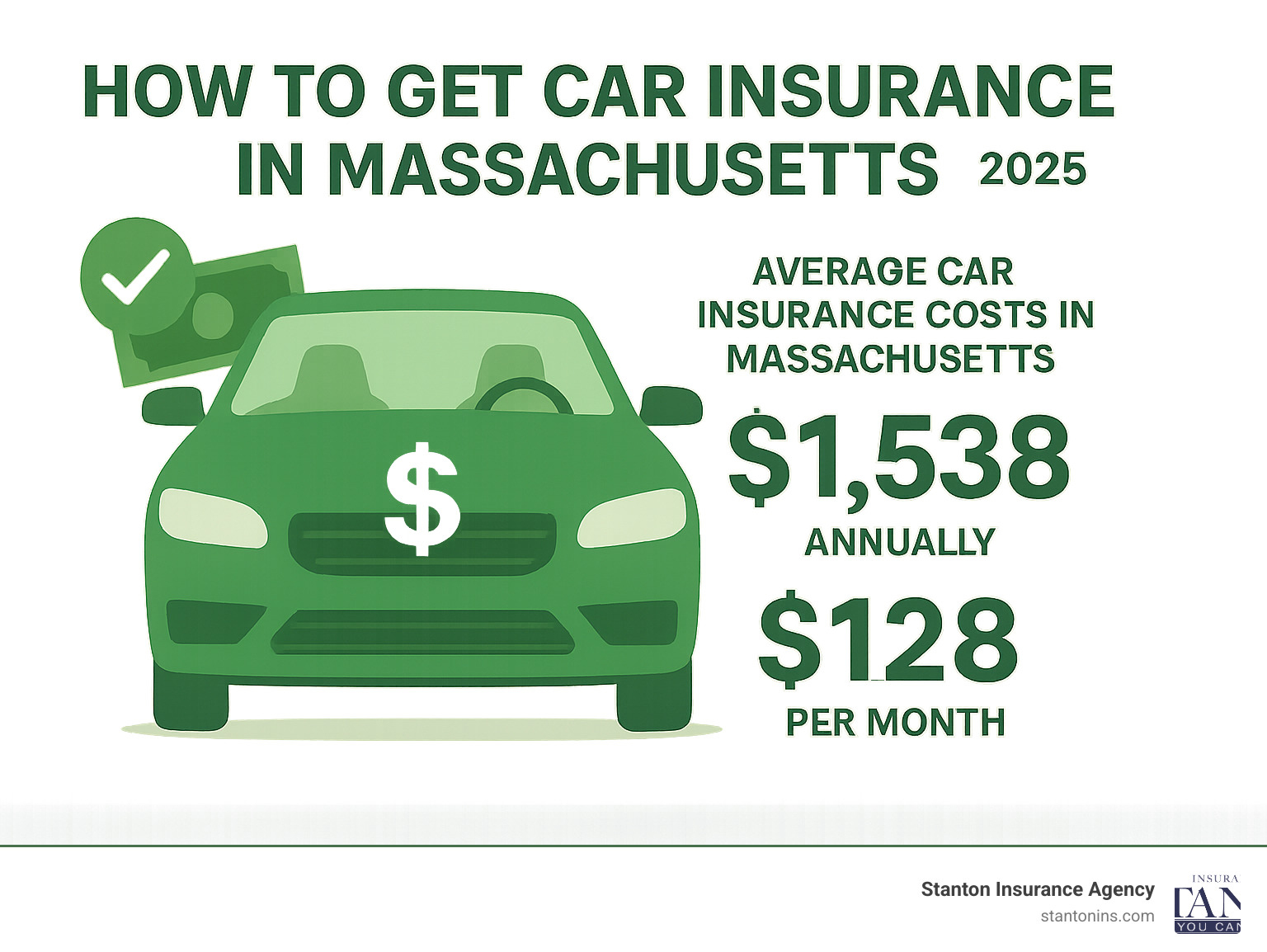
Did you know that Massachusetts has some of the most unique auto insurance laws in the United States? If you’re a driver here, you’ll need to understand how these rules affect you.
Let’s break down the essentials, so you can know exactly what’s required and make smart choices about your coverage.
Basic Components of Auto Insurance
The core of any auto insurance policy in Massachusetts includes liability, collision, and comprehensive coverage. But what do these terms really mean? Liability coverage helps pay for the other party’s expenses if you’re at fault in an accident. Collision coverage kicks in to cover damage to your own car from an accident. Comprehensive coverage, on the other hand, deals with damages from non-collision-related incidents like theft or natural disasters.
Mandatory Coverage Requirements
Massachusetts doesn’t mess around when it comes to insurance. Drivers must carry minimum liability coverage of $20,000 per person and $40,000 per accident for bodily injury, plus $5,000 for property damage. You’ll also need personal injury protection (PIP) to cover medical expenses, regardless of who caused the crash. The state also requires uninsured motorist coverage to protect you from drivers who break the law by not carrying insurance.
Factors Affecting Insurance Rates
Your insurance rates aren’t just based on your driving record. Factors like your age, gender, location, and vehicle type play a huge role. For example, a 20-year-old driving a sports car in Boston might pay significantly more than a 40-year-old driving a minivan in a rural area. Insurers also consider your credit score and claims history. Here’s the deal: Shopping around and comparing quotes can save you a bundle.
Pro Tip: Keep a clean driving record and consider bundling your auto insurance with other policies to snag discounts.
Average Cost of Auto Insurance in Massachusetts
Did you know that the average auto insurance in Massachusetts is $1,246 per year? That’s slightly lower than the national average. BUT, depending on where you live in Massachusetts, your rates can vary significantly.
Here is the deal: the type of vehicle you drive and the city you live in can greatly influence your insurance premiums. If you own a luxury car, expect to pay more. Conversely, a modest sedan could save you a chunk of change every month.
Cost Differences by Vehicle Type
The type of vehicle you drive is a massive factor in determining your insurance cost. For example, insuring a high-end luxury car like a Tesla Model S could cost you around $1,800 annually, whereas a Honda Civic might only set you back $950.
City-by-City Insurance Cost Comparison
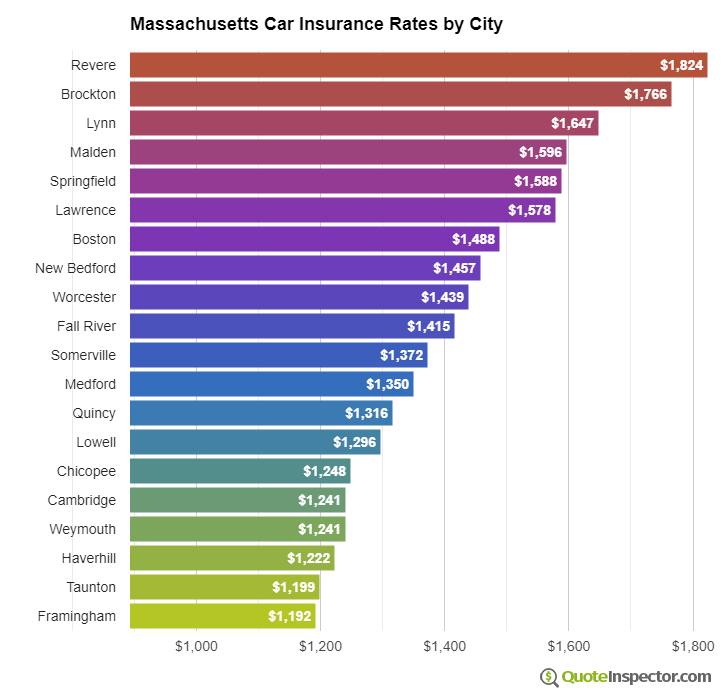
Where you live impacts your insurance premium. I’ve compiled a table to help you see the differences across Massachusetts cities:
| City | Average Annual Premium |
|---|---|
| Boston | $1,500 |
| Springfield | $1,200 |
| Worcester | $1,300 |
| Cape Cod | $1,050 |
| Lowell | $1,100 |
Boston tops the list with the highest average premium, while Cape Cod is the most affordable.
Factors Influencing Premium Costs
Before you sign up for a policy, consider these key factors that can influence your insurance rates:
- Driving Record: A clean driving history can significantly lower your rates.
- Vehicle Type: Luxury and high-performance vehicles typically cost more to insure.
- Location: Urban areas usually have higher premiums than rural ones.
- Credit Score: Insurance companies often use your credit score to set rates.
- Age and Gender: Younger drivers and males tend to pay more.
Pro Tip: You can often score a discount by bundling auto and home insurance policies.
Factors Influencing Auto Insurance Rates
Think your auto insurance rate is just a random number? Think again. There are several factors that can dramatically affect what you pay each month.
Understanding these factors can help you take control of your insurance costs.
Age and Driving Experience
Insurance companies see young drivers as risky. If you’re under 25, expect to pay more. Why? More accidents happen in that age group. BUT, as you get older and gather more experience, your rates typically drop. New to driving at any age? You’re still considered a risk until you’ve proven yourself on the road.
Vehicle Type and Usage
Your car isn’t just a tool for getting from A to B. It’s a massive factor in your insurance rate. Luxury cars, sports cars, and models with expensive parts cost more to insure. And if you use your vehicle for work or long commutes, expect a bump in your premiums. BUT here’s the deal: keeping your mileage low can save you big bucks.
Credit Score and Driving Record
Think your credit score only matters when buying a house? Not so fast. Insurers use your credit score as a predictor of risk. A higher score often means lower rates. On the flip side, a strong driving record with no accidents or tickets is your best asset. If you’ve got a few dings on your record, it’s time to drive defensively.
Pro Tip: A 30-year-old with a spotless record driving a mid-sized sedan pays much less than a 22-year-old with a sports car and a speeding ticket.
Tips for Reducing Auto Insurance Costs
Auto insurance in Massachusetts can feel like an unavoidable expense. But did you know there are actionable steps you can take to slash your premiums?
Here’s the deal: a few smart moves can lead to significant savings. Let’s dive into some strategies that can help put money back in your pocket.
Strategies to Lower Your Premiums
First up, shop around. You might think your current insurer offers the best rates, but you’d be surprised how much premiums can vary. Compare quotes from at least three different providers to ensure you’re not overpaying.
Next, consider raising your deductible. Increasing it from $500 to $1,000 could save you up to 40% on your premium. Just make sure you have that amount set aside in case you need to file a claim.
Pro Tip: Ask for payment discounts if you pay your annual premium upfront or opt for automatic payments.
Improving Eligibility for Discounts
Insurance companies love rewarding safe drivers. Enroll in a defensive driving course. It can not only make you a better driver but also qualify you for a safe driver discount.
Have a teenager on your policy? Encourage them to maintain good grades. Many insurers offer a “good student discount” for young drivers who keep their GPAs high.
Maintaining a Clean Driving Record
Maintaining a clean driving record isn’t just about avoiding tickets. It’s about being proactive:
- Follow traffic rules meticulously.
- Avoid distractions—stay off your phone.
- Stick to speed limits.
These simple steps help you stay accident-free, keeping your record spotless and your premiums low.
Bundling Insurance Policies
Bundling isn’t just a buzzword. It’s a powerful tool to cut costs. By combining your auto insurance with your home or renters insurance, you could save up to 25%.
Contact your insurer to see if they offer multi-policy discounts. It’s a win-win: simplified billing and reduced premiums.
Top Auto Insurance Companies in Massachusetts
Are you paying too much for auto insurance? You’re not alone. In Massachusetts, finding the right insurer can feel like searching for a needle in a haystack.
But the good news? There are standout companies offering competitive rates and exceptional service. I’ve rounded up the top auto insurance companies in Massachusetts. Let’s see how they stack up!
Customer Service Ratings of Leading Insurers
Customer service can make or break your insurance experience. Here’s how the top-rated companies compare:
- Liberty Mutual: Renowned for fast claim resolutions and a user-friendly app.
- Progressive: Known for competitive pricing but mixed reviews on customer support.
- GEICO: High marks for affordability, but some find their customer service lacking.
- State Farm: Offers personalized service with a strong network of agents.
- Allstate: Excellent customer support, but higher premiums can be a downside.
Unique Features Offered by Top Companies
What makes these companies stand out? Unique features can make all the difference when choosing your insurer.
- Liberty Mutual: Offers a unique “Better Car Replacement” policy.
- Progressive: The Snapshot program uses telematics for potential discounts.
- GEICO: Provides a mobile app with virtual assistant capabilities.
- State Farm: The Drive Safe & Save program rewards safe drivers with discounts.
- Allstate: Features a robust rewards program called Allstate Rewards.
Pro Tip: Choose an insurance company that offers discounts tailored to your driving habits.
Financial Stability of Leading Insurers
Financial stability is crucial. You want to ensure your insurer can pay out claims when it matters.
| Company | Financial Rating | AM Best Rating |
|---|---|---|
| Liberty Mutual | Strong | A |
| Progressive | Stable | A+ |
| GEICO | Very Strong | A++ |
| State Farm | Very Strong | A++ |
| Allstate | Stable | A+ |
The Claims Process for Auto Insurance
Let’s face it, nobody wants to deal with a car accident. BUT when it happens, knowing the claims process can save you tons of headaches. Filing a claim in Massachusetts isn’t just a chore; it’s a necessity if you want to get back on the road ASAP.
Here is the deal: The claims process might seem daunting, but it’s pretty straightforward if you follow a few key steps. First, you need to report the incident to your insurer immediately. Then, document everything from damage to injuries. After that, your insurance company will investigate the claim. Finally, they’ll determine the payout. Easy, right?
Steps to File a Claim in Massachusetts
Filing a claim can be easier than you think if you have a roadmap. Here’s a step-by-step breakdown:
- Report the accident to your insurer right away.
- Document the scene with photos and collect witness information.
- File the claim through your insurance company’s app or website.
- Cooperate with your insurer during their investigation.
- Receive the payout or repair approval.
Pro Tip: Always keep a copy of your insurance policy in your car. It’s a lifesaver when you need to contact your insurer quick.
Common Reasons for Claim Denial
Nobody likes to hear “denied,” especially when you’re expecting a payout. Here’s why claims often get the boot:
- Missing filing deadlines.
- Inaccurate information on the claim.
- Lack of coverage for the incident type.
- Policy exclusions you didn’t know about.
To avoid these pitfalls, double-check your policy details and ensure all information is accurate before submitting a claim.
Testimonials from Massachusetts Residents
Real-life experiences can offer insights you won’t find in any policy document. Here’s what some Massachusetts drivers had to say:
“I followed the steps to a T after my fender bender, and the claim was processed in less than a week!” — Sarah M., Boston
“My claim was denied because I was late filing. Lesson learned: act fast!” — John D., Worcester
These stories highlight the importance of knowing the ropes and acting swiftly. Remember, time is of the essence!
Final Summary
As we wrap up, it’s clear that navigating the world of auto insurance in Massachusetts requires a bit of homework and some savvy decision-making. Whether you’re a new driver or an experienced roadster, understanding the factors that influence insurance rates and the strategies to keep costs down will serve you well. Remember, the right insurance isn’t just about compliance; it’s about securing your journey ahead. Drive safe, drive smart, and may your insurance premiums be ever in your favor!
Q&A
What is the average cost of auto insurance in Massachusetts?
The average cost varies but generally ranges from $1,100 to $1,300 annually, depending on factors like location, vehicle type, and driving history.
Which coverage is mandatory for Massachusetts drivers?
Massachusetts drivers must carry minimum liability coverage, which includes bodily injury and property damage protection.
How does my driving record affect my auto insurance rates?
A clean driving record can significantly lower your premiums, while a history of violations can increase rates.
Are there ways to reduce auto insurance premiums?
Yes, you can lower premiums by maintaining a clean driving record, bundling policies, and seeking discounts.
Can my credit score impact my auto insurance costs?
Yes, in Massachusetts, insurers often consider credit scores when determining rates, so a higher score can lead to lower premiums.
What factors influence auto insurance rates the most?
Major factors include your age, driving experience, vehicle type, location, and credit score.